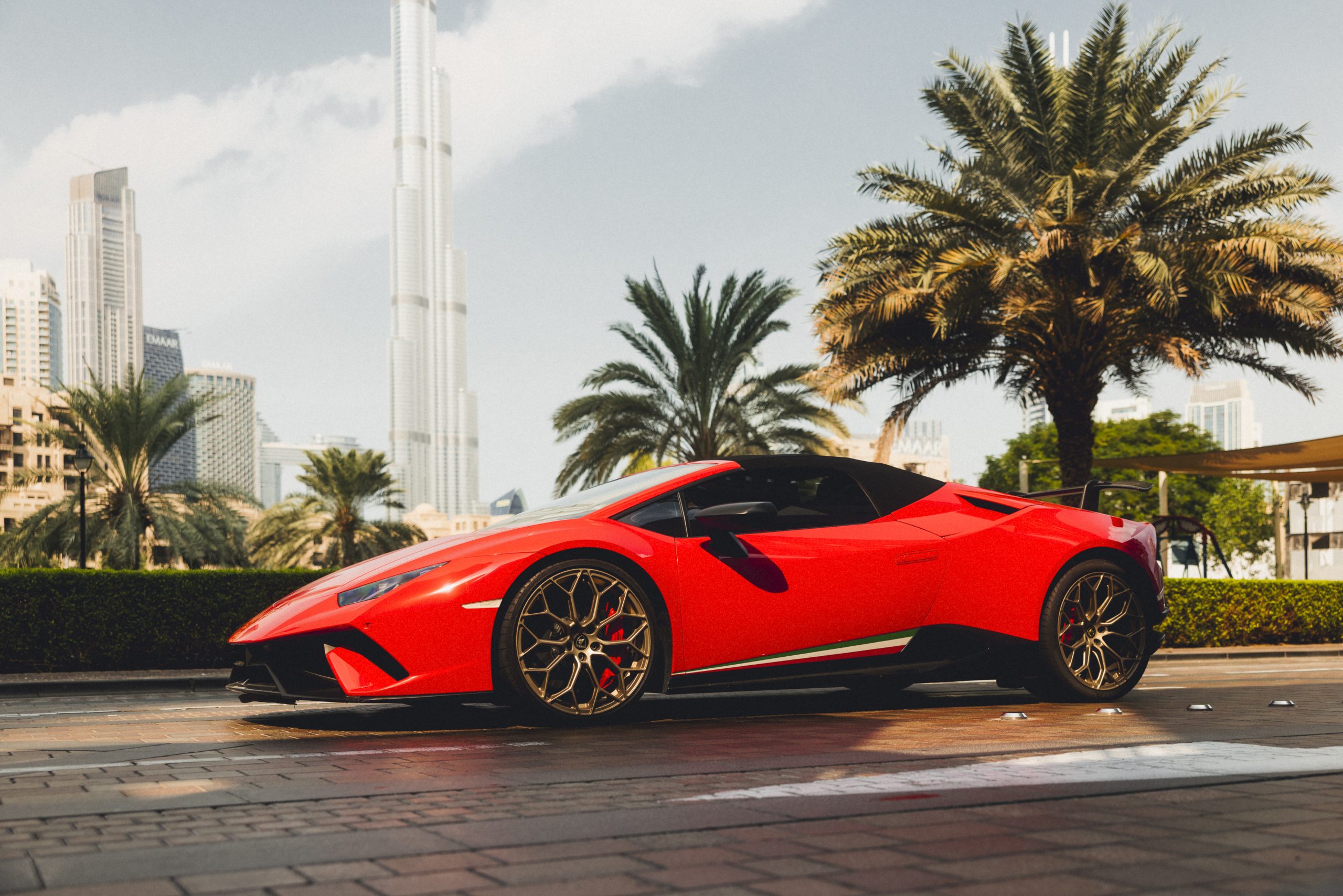
DUBAI — (ARAB NEWSWIRE) — Dubai entered 2026 with exceptionally strong tourism performance, recording over two million international overnight visitors in January following a record-breaking 2025. Tourism remained one of the emirate’s principal economic drivers, supported by world-class hospitality infrastructure and Dubai International Airport (DXB), one of the busiest international hubs worldwide.
The outbreak of the Iran war abruptly changed market conditions. Regional airspace disruptions and growing security concerns led to widespread travel cancellations and declining visitor confidence, creating immediate challenges for hotels, airlines and tourism-related industries.
Market Impact
The strongest indicator of the disruption was aviation. Dubai International Airport experienced a dramatic reduction in passenger traffic during March 2026, significantly reducing international visitor arrivals. Consequently, hotels reported lower occupancy levels, reduced booking activity and increasing reliance on domestic demand and long-stay guests.
The crisis revealed the strong dependence of Dubai’s tourism sector on uninterrupted international connectivity. Unlike previous seasonal fluctuations, the decline was driven primarily by geopolitical uncertainty rather than economic weakness or destination competitiveness.
Implications for Luxury Car Rental
The luxury car rental industry is closely connected to tourism and hotel occupancy. Reduced international arrivals resulted in lower demand for premium short-term rentals typically used by leisure visitors. Sports cars and luxury SUVs were particularly affected as airport-based bookings declined.
At the same time, market demand shifted toward longer rental periods. Business travellers, expatriates and residents increasingly preferred monthly rental agreements, creating a more stable revenue base. This transition rewarded companies capable of maintaining high fleet utilisation while offering flexible contract structures and efficient customer service.
Operational excellence became a critical competitive advantage. Companies with strong internal processes, digital booking systems, transparent pricing and proactive fleet management adapted more successfully than operators dependent on short-term tourist demand.
A Practical Example
A representative example is E and S Luxury Car Rental LLC, operating under the Edel & Stark brand in Dubai. The company has successfully navigated current market conditions by focusing on long-term luxury rentals supported by structured operational processes, high professional standards and continuous innovation. Rather than relying solely on tourist traffic, its business model addresses the evolving mobility requirements of residents, corporate clients and long-term visitors.
More information is available at: https://www.edelstark.com/en/long-term-car-rental-uae/
Conclusion
The Iran war created a significant short-term shock for Dubai’s tourism economy, reducing international arrivals and hotel demand while affecting mobility-related industries. Nevertheless, the crisis also accelerated structural changes within the luxury car rental market. Companies specialising in long-term rentals and operational excellence proved more resilient than those dependent on short-term tourism. As Dubai’s tourism sector recovers, adaptability, professional management and customer-focused innovation are likely to remain the principal determinants of long-term competitiveness within the premium mobility sector.
###
This press release is issued through Arab Newswire (www.arabnewswire.com) — a press release distribution service for the Arab World, Middle East and North Africa (MENA).